24/7 Water Damage Restoration in Moore, OK with Direct Insurance Billing
In Moore, water damage almost never shows up politely. A spring supercell tears open a roof at 2 a.m. An arctic blast splits a pipe in the attic. A creek jumps its banks and water spreads under every inch of flooring in a slab home. Here's the problem: in our summer humidity, mold can start growing within 24–48 hours, and wet framing and drywall start breaking down not long after. Moore Water Damage Restoration answers 24/7, gets extraction equipment running fast, and bills your insurance company directly, so you can focus on your family instead of chasing paperwork.
We're locally owned and we've been doing this here for more than 10 years. We know the brick ranches of Eastmoore and Southmoore, the rebuilt homes around Plaza Towers and Briarwood, the 1950s post-war houses near Tinker in Midwest City and Del City, and the older custom homes in Nichols Hills. That local knowledge tells us where water hides in each kind of house, which claims get disputed, and how to dry a structure properly the first time.
- ✓24/7 emergency response, 365 days a year
- ✓Direct billing to your insurance company
- ✓Locally owned, 10+ years serving Moore and the OKC metro
- ✓Bonded and insured
- ✓Free inspections and moisture assessments
- ✓Warranty-covered workmanship
- ✓Financing available
Request Your Free Estimate
No obligation. Fast, honest quotes.
Thank you — your request was sent!
A member of the Moore Water Damage Restoration team will reach out shortly. Need help now? Call (405) 876-4717.
Why Moore Homes Need a Fast, Local Water Damage Restoration Contractor
Moore sits in the middle of Tornado Alley on expansive red clay. It gets heavy spring rain, hard freezes now and then, and humid summers. Put that together with slab foundations and attic-mounted equipment, and water damage here spreads faster and hides better than in most places. Here's why.
Storms, Floods, Freezes and Humidity: Central Oklahoma's Climate
Moore averages roughly 36–38 inches of rain a year, but it doesn't arrive evenly. May and June are the wettest months, and one training thunderstorm complex can drop several inches in a few hours. May 2015 was Oklahoma City's wettest month on record. Just days after the 2013 EF5 tornado, the May 31 storms brought deadly urban flooding. Moore has been hit by violent tornadoes in 1999, 2003, 2013, 2015 and 2024, and golf-ball-size hail is routine from March through June. Winter adds its own risk. The February 2021 arctic outbreak brought single-digit temperatures and burst pipes across the metro. Then summer arrives with mid-90s highs and dew points in the 60s and 70s, which is ideal for mold. Wet materials can grow visible mold within 24–48 hours, so response time really does decide how big the damage gets.
Slab Foundations, Attic Equipment and Post-Tornado Rebuilds
Most Moore homes are single-story brick-veneer ranches built on concrete slabs from the 1970s through the 2000s. Basements are rare, so water doesn't pool somewhere you can see it. It moves sideways under laminate, into carpet pad, up drywall and into the bottom plates of walls. Water heaters and HVAC air handlers often sit in attics, where a clogged condensate line or a failed pan soaks ceilings from above. Neighborhoods rebuilt after 1999 and 2013, like Plaza Towers, Briarwood and Highland East, have PEX plumbing, while older homes next door may still have polybutylene supply lines or copper under the slab that's prone to pinholes. In Del City, Midwest City and Warr Acres, cast-iron drains from the 1940s–60s raise the risk of sewer backups. The red clay underneath swells and shrinks, which stresses slabs and the plumbing below them.
Permits, Insurance Rules and Oklahoma Contractor Law
Drying a home doesn't need a permit. Replacing structural framing, rewiring flood-damaged circuits, or swapping a water heater or HVAC unit usually does, through Moore's Community Development office, and that work has to be done by CIB-licensed trades. Homes built before 1978 call for lead-safe work practices, and older popcorn ceilings, flooring and drywall mud may need asbestos testing before demolition. Insurance is where most homeowners get tripped up. Standard policies exclude surface flood water, sewer backup is often a separate endorsement, and sudden pipe bursts are treated differently from slow leaks. Oklahoma law also bars contractors from waiving or paying your deductible, and the Home Repair Fraud Act exists because storm chasers show up after every big event. Parts of Moore, OKC and Norman are in FEMA-mapped flood zones along local creeks.
A Community That's Rebuilt Before
Moore has about 60,000 residents, mostly middle-income families who own their homes and depend on insurance for major repairs. Plenty of people here have lived through more than one disaster and learned the hard way to be wary of out-of-state crews that disappear once the check clears. Across the metro, needs vary a lot. Nichols Hills homeowners expect discreet, careful work on high-end finishes. Norman's rental market near OU needs quick coordination between landlords and tenants. Military and retired households near Tinker want clear, honest guidance. Everyone wants someone to pick up the phone at 3 a.m.
Common Water Damage Problems in Moore and the OKC Metro
After years of calls across Moore and the south metro, we see the same handful of problems over and over. Some are true emergencies, and some are slow leaks that cost the most because they go unnoticed. Here's what causes each one, what to watch for, and how we handle it.
Storm and Tornado Roof Breaches with Wind-Driven Rain Emergency
Water that pours into the attic and living space after high winds, tornado debris or large hail breaks through roofing, decking, vents or windows. It's sudden and high-volume, it soaks insulation and drywall ceilings, and it often comes with power outages that make drying harder.
Why it's common hereMoore is in the heart of Tornado Alley and has taken violent tornado hits in 1999, 2003, 2013, 2015 and 2024. Spring supercells bring straight-line winds, sideways rain and golf-ball-size hail, sometimes all at once. Composition shingle roofs on slab ranches lose shingles and decking quickly, and debris punctures let rain straight into blown-in attic insulation. Because one storm can damage thousands of homes, local crews fill up fast and storm chasers move in. That makes an established local responder especially valuable.
Signs you'll notice- Visible daylight or debris holes in the roof or attic
- Water dripping from light fixtures or ceiling vents
- Sagging or bubbling drywall ceilings
- Soaked, matted attic insulation
- Broken windows with wet sills and carpet
- Water stains spreading across several rooms after a storm
We see this most after spring storm outbreaks in Westmoore, Southmoore, Plaza Towers and Briarwood, plus neighborhoods along the 2013 and 2024 tornado paths. Ice storms like the October 2020 event cause similar damage when big limbs crash through roofs in older, tree-lined areas of Old Town Moore and Warr Acres.
Our fix: We tarp or board up the opening, extract standing water, pull out saturated insulation and ceiling drywall, run generator-backed drying if the power's out, and document everything for your insurance claim.
Burst Pipes from Hard Freezes Emergency
Supply lines that split when water freezes and expands inside them. Usually they're in attics, exterior walls, or near garages and slab edges. The leak often starts when the pipe thaws, and it can push hundreds of gallons into a home before anyone finds the shutoff.
Why it's common hereMoore's winters are usually mild, with January lows in the upper 20s, so many homes weren't built for a sustained hard freeze. When arctic air settles in, like it did in February 2021 with single digits and below-zero wind chills for days, attic and exterior-wall plumbing freezes all over the metro. Polybutylene lines in some late-1970s to mid-1990s homes are especially brittle. Plumbers and mitigation crews get backed up for days, so getting on a responder's list early matters.
Signs you'll notice- No water at a faucet during a freeze
- Frost or bulging on exposed pipes
- Hissing or running-water sounds inside walls
- Ceiling stains or drips after temperatures rise
- Water coming out of baseboards or garage walls
- A sudden jump in your water bill
Freeze damage clusters in 1970s–90s ranches across Eastmoore, Highland East and south OKC, and in post-war homes in Del City and Midwest City where plumbing runs through exterior walls or crawlspaces. Homes in rural parts of Newcastle and Mustang with outdoor well equipment are also at risk.
Our fix: We confirm the water's shut off, extract it, map moisture through walls and ceilings, open wall cavities if needed, and dry the structure while your plumber makes the repair.
Flash Flooding and Surface Water Intrusion Emergency
Stormwater that comes in at ground level through doors, garages, weep holes and slab joints during heavy rain or a creek overflow. It counts as Category 2 or 3 water, carries silt and contaminants, and spreads quickly under flooring in slab homes.
Why it's common hereCentral Oklahoma's red clay drains poorly, so heavy rain pools against foundations and in low yards instead of soaking in. Little River, Kitchen Creek, Brock Creek, Crooked Creek and the Canadian River all rise fast in training storms. Some rebuilt neighborhoods still drain into older infrastructure. Because there's no basement to collect it, the water goes straight into living space, wicking into carpet pad, laminate, baseboards and the bottom of walls.
Signs you'll notice- Standing water or a mud line in the garage or living areas
- Wet carpet near exterior doors
- Swollen baseboards and door casings
- Silt or debris left along walls
- A musty smell within a day or two
- Laminate flooring cupping or lifting
Low-lying streets near the Little River Park area, homes along creek corridors in south OKC and Crest at Southwest 149th, and parts of Norman near FEMA-mapped zones flood most often. May and June bring the highest risk, especially in years like 2015.
Our fix: We extract floodwater, remove contaminated porous materials, clean and sanitize surfaces, dry the slab and wall cavities, and help sort out whether the loss falls under flood or storm coverage.
Sewer Backups (Category 3 Black Water) Serious
Sewage that comes back up through floor drains, tubs or toilets when the main line or municipal sewer is blocked or overwhelmed. It contains bacteria and pathogens, so porous materials it touches usually have to be removed. It isn't a mop-and-bleach job.
Why it's common hereMany homes in Del City, Midwest City, Warr Acres and central OKC were built in the 1940s–60s with cast-iron sewer laterals and drains that are now cracked, corroded or invaded by tree roots. Heavy rain can overload the city sewer at the same moment, pushing wastewater back into houses. Because sewer backup coverage is often a separate endorsement on Oklahoma policies, homeowners need careful documentation from day one.
Signs you'll notice- Gurgling drains or toilets
- Sewage smell from floor drains or tubs
- Dark water coming up in the lowest fixture
- Several drains backing up at the same time
- Stained grout or wet flooring around toilets
- Backups that happen during heavy rain
We see backups most often in post-war ranches near Tinker AFB in Midwest City and Del City, in older Warr Acres homes, and in Nichols Hills properties with basements. Mature trees in these neighborhoods make root intrusion common.
Our fix: Our crew wears protective gear, contains the area, extracts the waste, removes affected porous materials, sanitizes with antimicrobials, and dries everything. We document each step for your sewer-backup endorsement claim.
Slab Leaks from Shifting Clay Soil Serious
Leaks in copper or other supply lines running beneath a concrete slab. They're slow and hidden, and they soak flooring from below, raise indoor humidity, and can weaken the foundation. Most homeowners don't find out until the floor feels warm or wet.
Why it's common hereMoore sits on expansive Permian red-bed clay that swells a lot when it's wet and shrinks during drought. Those cycles move slab foundations and put stress on the plumbing underneath. Copper lines under 1970s–90s slabs also develop pinhole leaks over time. Because there's no crawlspace or basement to check, the water stays hidden until flooring fails.
Signs you'll notice- Warm spots on the floor from a hot-water line leak
- Cracked tile or cupped hardwood and laminate
- Damp carpet with no obvious source
- The water meter spinning when nothing's running
- Mildew odor or high indoor humidity
- New foundation or drywall cracks
Slab leaks are common in older Moore subdivisions like Eastmoore and Highland East, in established south OKC neighborhoods, and they show up more after a dry summer followed by heavy fall rain.
Our fix: We use thermal imaging and moisture mapping to find the wet area, coordinate the leak repair with a licensed plumber, pull affected flooring, and dry the slab and walls properly.
Attic Water Heater and HVAC Condensate Overflows Moderate
Water from a failed water heater, a full drain pan, or a clogged AC condensate line in the attic or an interior closet. It soaks insulation and ceiling drywall from above, often slowly at first and then all at once when a ceiling gives way.
Why it's common hereLots of Moore homes put the water heater and air handler in the attic to save floor space. Our long, humid cooling season means AC systems pull gallons of condensate out of the air every day. Algae and debris clog drain lines, pans overflow, and aging tanks rust through. Attic temperatures above 120°F in summer also speed up mold growth on wet decking and insulation.
Signs you'll notice- Brown rings on ceilings below the attic unit
- Drips from HVAC vents or ceiling light fixtures
- Sagging drywall near a hallway closet
- A full or rusted drain pan
- The AC shutting off on a float switch
- Musty air when the system kicks on
This is especially common in 1980s–2000s homes across Southmoore and Westmoore, and in newer tract homes in Mustang and Newcastle. It peaks from June through September.
Our fix: We extract the water, remove wet insulation and ceiling sections, dry the attic framing and drywall, and treat for microbial growth before repairs.
Flooded Storm Shelters and Safe Rooms Minor
Water that collects in in-ground or below-grade storm shelters and garage-floor safe rooms through seepage, runoff or a failed seal. It's usually a smaller loss, but it ruins stored supplies, rusts hardware, and can leave a shelter unusable when you need it.
Why it's common hereAfter 2013, lots of Moore families added in-ground garage shelters and backyard bunkers. Poorly draining clay and spring downpours push groundwater against shelter walls and hatches. Since shelters only get opened when storms hit, standing water and mold can sit there for weeks before anyone notices.
Signs you'll notice- Standing water when you open the hatch
- Rust on steel doors or hinges
- Mold or a musty smell inside
- Soggy emergency supplies
- Water lines on concrete walls
- Hatch seals that are cracked or brittle
We see flooded shelters across Moore neighborhoods rebuilt after 2013, like Plaza Towers and Briarwood, and in Newcastle and Mustang homes with backyard bunkers, mostly after long spells of rain in April through June.
Our fix: We pump out and extract the water, clean and dry the shelter, apply antimicrobial treatment, and point out seal or drainage problems so it's ready for storm season.
Our Water Damage Restoration Services in Moore, OK
Each service below covers part of a full recovery, from the first emergency call to a finished, dry home. We start with mitigation to stop secondary damage like mold, rot and structural weakening, then move into cleanup and repair. Throughout, we bill your insurer directly so the claim keeps moving.
Emergency Water Removal & Extraction ⭐ Specialty
We answer 24/7 and get standing water out fast using truck-mounted and portable extractors, submersible pumps and weighted extraction tools. Getting the bulk water out quickly is the single biggest factor in keeping damage small and costs down.
Our approachHigh-powered extraction pulls water from carpet and pad. Pumps clear deeper water from garages and shelters. Then we take moisture readings to see how far the water has wicked into walls, baseboards and subfloors before drying starts.
In Moore, OKIn Moore's slab homes, water spreads sideways with nowhere to drain. Fast extraction keeps it from soaking every room. After tornado and ice-storm outages, we bring generator-backed equipment so extraction starts even when the neighborhood's still dark.
Best for: Burst pipes, storm flooding, overflowing appliances, and any situation with standing water, especially in the middle of the night, on weekends, or right after a major storm.
Water Mitigation ⭐ Specialty
Mitigation stops the damage from spreading. We stabilize the property, remove materials that can't be saved, set up drying equipment, and take steps to prevent mold and structural decay while your claim is getting started.
Our approachWe use thermal imaging, moisture meters and psychrometric readings to plan the drying. Then we set commercial dehumidifiers, air movers and wall-cavity drying systems, with daily monitoring until materials reach dry standards.
In Moore, OKWith Moore's summer dew points in the 60s and 70s, wet drywall and framing can grow mold within 24–48 hours. Quick mitigation keeps a pipe burst from becoming a mold job and documents everything your adjuster needs.
Best for: Any fresh water loss where the goal is to limit secondary damage, lower the total claim cost, and meet your policy's duty to prevent further damage.
Water Damage Restoration
Restoration covers the full job, from extraction and drying through rebuilding damaged areas. You get one accountable team instead of juggling separate mitigation crews and remodelers.
Our approachWe dry and verify, then replace drywall, insulation, baseboards, flooring and trim. When a job needs permitted plumbing, electrical or HVAC work, we coordinate it with properly licensed trades and match the finishes you already have.
In Moore, OKWhether it's a 1970s Eastmoore ranch, a post-2014 rebuild in Briarwood, or a Nichols Hills home with plaster and hardwood, we restore to match what was there and follow Moore and metro permit rules for anything structural.
Best for: Homeowners who want one contractor to take a water loss from emergency to finished, move-in-ready rooms.
Water Damage Repair
We repair the visible and hidden damage water leaves behind, including stained ceilings, swollen cabinets, warped floors, damaged drywall and compromised framing, after confirming the area is fully dry.
Our approachWe confirm moisture levels first, then make targeted repairs: patching or replacing drywall, swapping subfloor sections, installing new flooring, and refinishing trim. That way new materials aren't sealed over hidden moisture.
In Moore, OKHail-related attic leaks and condensate overflows are common in Moore, and they often show up weeks later as ceiling stains. We trace the source, confirm it's dry, and repair the damage cleanly so it doesn't come back.
Best for: Older or smaller leaks, ceiling stains, and damage left over after a leak has been fixed but the materials haven't.
Water Remediation
Remediation deals with contaminated water and its aftermath. We clean, sanitize and remove materials affected by Category 2 or 3 water, and treat early microbial growth so your home is safe to live in again.
Our approachWe contain the area, use HEPA air filtration, remove affected porous materials, apply antimicrobial treatments, and confirm results. When demolition touches pre-1978 materials, we follow lead-safe practices and recommend asbestos testing.
In Moore, OKOlder homes in Del City, Midwest City and Warr Acres often have lead paint and asbestos-era materials, and they're the most likely to have sewer backups. We plan remediation around those realities.
Best for: Sewer backups, floodwater intrusion, long-running leaks with early mold, and any water loss involving contamination.
Emergency Water Damage Cleanup
We handle the immediate mess: wet contents, debris, ruined carpet and pad, and saturated belongings. We sort what can be saved from what can't, and inventory losses for your insurance claim.
Our approachWe photograph and list affected contents, move salvageable items to dry areas, remove soaked carpet and pad, clear debris, and clean surfaces so drying equipment can work.
In Moore, OKAfter a spring storm or freeze event, when thousands of Moore and OKC homes are hit at once, our local crews can get to you quickly and keep your contents documented while adjusters are swamped.
Best for: Families who need the chaos cleared fast and want their belongings documented properly for the claim.
Flood Damage Restoration & Cleanup
We restore homes and businesses after surface flooding from storms or creek overflow, including silt removal, sanitizing, structural drying and rebuilding.
Our approachFloodwater is treated as contaminated. We extract it, remove mud and silt, cut out wet drywall at the flood line, sanitize, dry the slab and wall cavities, and then rebuild.
In Moore, OKFlash floods along Little River, Kitchen Creek, Crooked Creek and the Canadian River hit Moore, south OKC and Norman fast. We help you understand NFIP flood coverage versus homeowners storm coverage so your claim is filed correctly.
Best for: Properties hit by rising surface water, creek overflow or heavy-rain runoff, including homes in or near FEMA-mapped flood zones.
Basement Flood Cleanup
For the metro homes that do have basements, cellars, storm shelters or safe rooms, we pump out water, clean, dry and restore below-grade spaces.
Our approachWe use submersible pumps and extractors, remove wet finishes, set up dehumidification sized for below-grade air, apply antimicrobial treatment, and check sump pumps and drainage once things are dry.
In Moore, OKNichols Hills homes with basements, older OKC properties with cellars, and the many Moore storm shelters all take on water during spring storms and when the power goes out and sump pumps stop.
Best for: Flooded basements, cellars, in-ground storm shelters and garage safe rooms after storms, power outages or sump pump failures.
Our 5-Step Water Damage Restoration Process
When water's coming through your ceiling, you need to know what happens next. Here's how we take a Moore home from emergency to restored, with timelines and insurance billing built in.
Emergency Call and Rapid Dispatch
- A real person answers, day or night
- We walk you through shutting off water or power safely
- We collect your insurance details so billing can start
- We dispatch a crew with extraction equipment
Local note: During metro-wide events like spring storm outbreaks or freezes like February 2021, being local means we're already in the area instead of driving in from out of state.
Free Inspection and Moisture Mapping
- Thermal imaging and moisture meters find hidden water
- We classify the water category and how far it's spread
- We photograph and document everything for your adjuster
- We explain the scope and what your insurance is likely to cover
Local note: In slab homes, water travels under flooring and into wall bottoms where you can't see it. Mapping keeps us from missing any of it.
Water Extraction and Mitigation
- We extract standing water and pump out flooded areas
- We remove wet carpet pad, insulation and drywall that can't be saved
- We tarp roofs or board openings if storm damage let water in
- We apply antimicrobial treatment where needed
Local note: Moore's humidity puts mold on a 24–48 hour clock, so we do mitigation first and fast.
Structural Drying and Daily Monitoring
- We set commercial dehumidifiers and air movers
- We dry wall cavities without unnecessary demolition when we can
- We take and log daily moisture readings
- We share updates with you and your adjuster
Local note: After tornadoes or ice storms, we bring generator power so drying keeps going during outages.
Repairs, Restoration and Claim Closeout
- We confirm materials meet dry standards before rebuilding
- We restore drywall, flooring, trim and finishes
- We coordinate permitted plumbing, electrical or HVAC work with licensed trades
- We bill your insurer directly and provide final documentation
Local note: Structural, electrical and mechanical repairs may need Moore Community Development permits. HOA rules in newer subdivisions can affect dumpsters and exterior work.
Why Moore Homeowners Choose Moore Water Damage Restoration
24/7 Emergency Response, Every Day of the Year
Pipes burst at midnight and storms roll through on holiday weekends, so we keep a real 24/7 line staffed by people who can dispatch a crew, not an answering service that takes a message. Response time is everything with water damage. In central Oklahoma's humidity, mold can start within 24–48 hours, and every hour standing water sits, it soaks deeper into drywall, carpet pad and framing. Our goal is simple: get extraction running as fast as possible so a manageable loss doesn't turn into a mold remediation or structural repair job.
We Bill Your Insurance Company Directly
Most Moore families depend on their homeowners policy for big repairs, and the claims process can be overwhelming in the middle of an emergency. We bill your insurer directly, document the damage with photos and moisture readings, and talk to your adjuster so you're not stuck in the middle. We'll also help you understand how flood, storm, sudden-discharge and sewer-backup coverage differ. We follow Oklahoma law and never offer to waive or pay your deductible. Contractors who do are breaking the rules, and it can put your claim at risk.
Locally Owned with 10+ Years in the Metro
We're not a storm-chasing crew that shows up after a tornado and leaves when the work dries up. We're locally owned and have served Moore and the OKC metro for more than 10 years. We know how 1970s Eastmoore ranches are built, why Del City and Midwest City homes have sewer backups, where attic condensate lines fail in Southmoore, and how to treat plaster and hardwood in Nichols Hills. That local knowledge makes our assessments faster and our drying plans more accurate. And we'll still be here if you ever need us again.
Specialists in Slab-Home and Storm-Driven Water Damage
Water damage in Moore isn't like water damage in places with basements. In slab-on-grade homes, water moves sideways under laminate and carpet and into wall bottoms, and it often stays hidden. Storm damage brings water down through attics and ceilings. We specialize in these exact patterns. We use thermal imaging, moisture mapping and wall-cavity drying to find and dry what other crews miss, which prevents the delayed mold, odors and flooring failures that show up weeks after a job was called done.
Bonded and Insured for Your Protection
Hiring a contractor after a disaster means trusting them in your home with your claim. Moore Water Damage Restoration is bonded and insured, so you're protected if something goes wrong on the job. That matters in a market where out-of-state contractors flood in after every big storm and the Oklahoma Home Repair Fraud Act exists for a reason. When structural, electrical, plumbing or HVAC repairs need permits, we coordinate with properly licensed trades and follow local requirements, so the work holds up to inspection and resale.
Free Inspections and Transparent Pricing
Every job starts with a free inspection. We'll show you where the water went, what has to come out, what can be dried in place, and what it's likely to cost, with no pressure. Our estimates are itemized the way insurance adjusters expect, which helps claims move faster and avoids surprise supplements. If part of the work isn't covered, we tell you up front, and financing is available to help with out-of-pocket costs like deductibles or uncovered repairs.
Warranty-Covered Workmanship
We stand behind what we do. Our restoration work is covered by a workmanship warranty, so if something we repaired doesn't hold up, we come back and make it right. That's a big difference from transient crews you can't reach after the storm season ends. Combined with documented dry readings before any rebuild, our warranty gives you confidence that the job is finished and won't come back as hidden moisture or mold behind new drywall.
Trusted by Moore Families Through Storms, Floods and Freezes
Moore homeowners trust us because we're local, we pick up the phone at 2 a.m., and we stay with them from the first bucket of water to the final insurance paperwork.
Bonded • Insured • Financing Available
Water Damage Restoration Service Areas Around Moore, OK
We're based in Moore and cover a 20-mile radius across the southern and central OKC metro. That means fast arrival times in neighborhoods we know well, from post-tornado rebuilds to post-war ranches near Tinker and older custom homes in Nichols Hills.
Moore Neighborhoods
Oklahoma City & East/North Metro
Norman & West Suburbs
We serve properties within roughly 20 miles of Moore. If you're near the edge of that radius, call us. We'll confirm coverage and give you an honest arrival estimate. Not sure if we cover your area? Call (405) 876-4717.
Water Damage Restoration Cost in Moore, OK
Most sudden water losses in Moore are covered by homeowners insurance, and we bill your insurer directly. Still, it helps to know what drives the cost. These are the biggest factors, along with realistic ranges for typical metro jobs.
Water Category and Contamination Primary Factor
Clean water from a burst supply line (Category 1) is the least expensive to handle. Gray water from appliances and floodwater (Category 2), and black water from sewer backups (Category 3), require removing porous materials, antimicrobial treatment and protective gear. A Category 3 sewer backup in a Del City ranch can cost twice as much as a similar-sized clean-water loss in Westmoore.
Square Footage and How Far Water Spread Primary Factor
In slab homes, water travels under flooring and into neighboring rooms quickly. A loss that starts in a hall bath can reach three rooms and a hallway within hours. More affected square footage means more equipment, more materials to remove and more drying days. Fast response is the best way to keep the footprint and the bill small.
Response Time and Secondary Damage Major Factor
Water caught within the first few hours can often be extracted and dried in place. Wait two or three days in Moore's summer humidity and mold, swollen cabinets, delaminated flooring and soft drywall turn into replacement items. Delays can also complicate insurance coverage, since policies require you to prevent further damage.
Materials and Finishes Moderate Factor
Carpet and drywall are fairly affordable to replace. Hardwood, tile, custom cabinetry, plaster walls and high-end finishes like those in Nichols Hills cost more to dry carefully or match. Attic losses add insulation removal and replacement.
Permits, Testing and Specialty Trades Moderate Factor
Structural framing, electrical rewiring, water heater or HVAC replacement, lead-safe practices in pre-1978 homes, and asbestos testing all add cost and time. Storm losses may also require tarping, board-up and a CIB-registered roofer.
| Typical project | Details | Estimated range |
|---|---|---|
| Washing machine hose failure | Moore slab ranch, one room plus hallway, Category 1 water caught same day, extraction and 3 days of drying | $1,500 – $4,000 |
| Frozen attic pipe burst | 1980s Eastmoore home, 3–4 rooms affected, ceiling and drywall removal, insulation replacement, drying and repairs | $6,000 – $15,000 |
| Sewer backup in a post-war home | Midwest City ranch near Tinker, Category 3 water in bath, hallway and bedroom, removal, sanitizing and rebuild | $4,500 – $12,000 |
| Tornado or storm roof breach with flooding | Rebuilt Plaza Towers-area home, emergency tarping, attic and multi-room ceiling damage, contents cleanup, full restoration | $12,000 – $40,000+ |
Financing is available for deductibles, uncovered repairs, or upgrades you choose to make during restoration. Ask about options during your free inspection. Fast mitigation is the cheapest part of any water loss. Spending a few thousand dollars on extraction and drying in the first 24–48 hours routinely prevents mold remediation, structural repairs and disputed claims that cost far more.
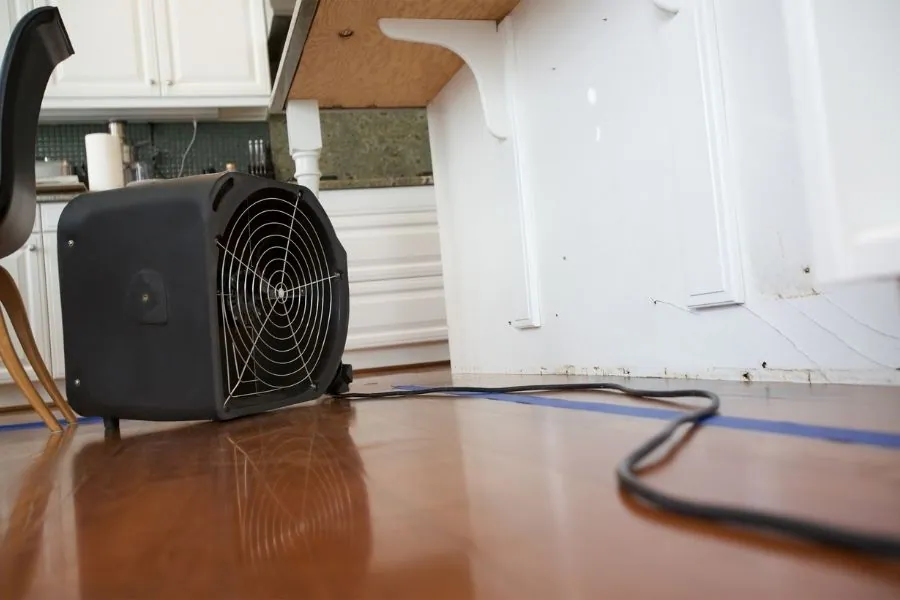
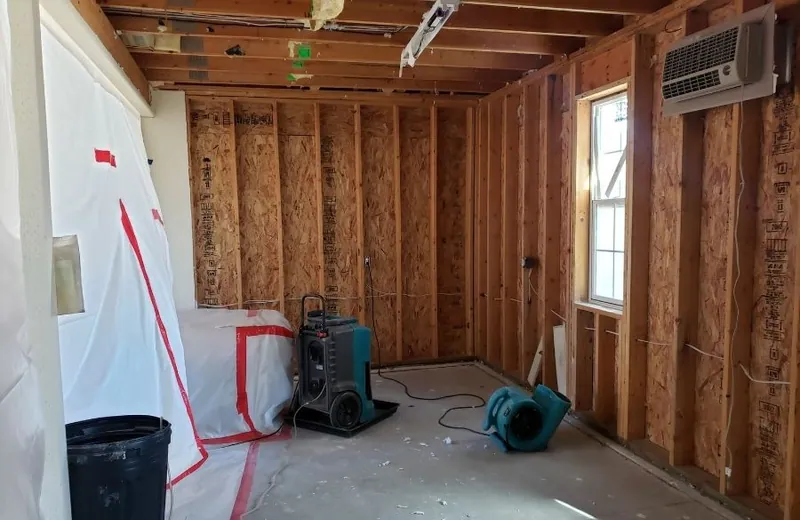
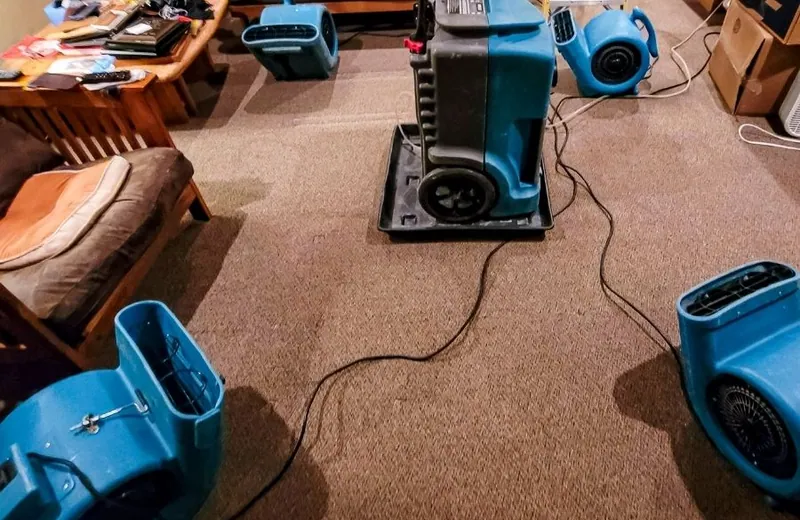
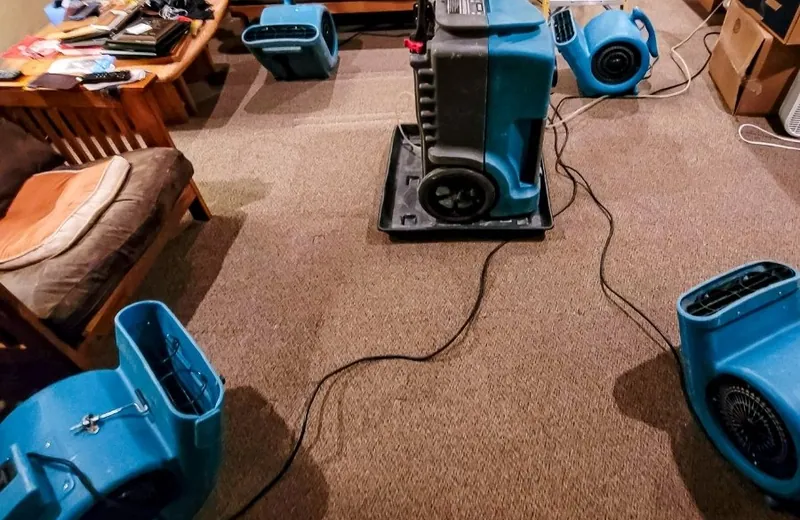
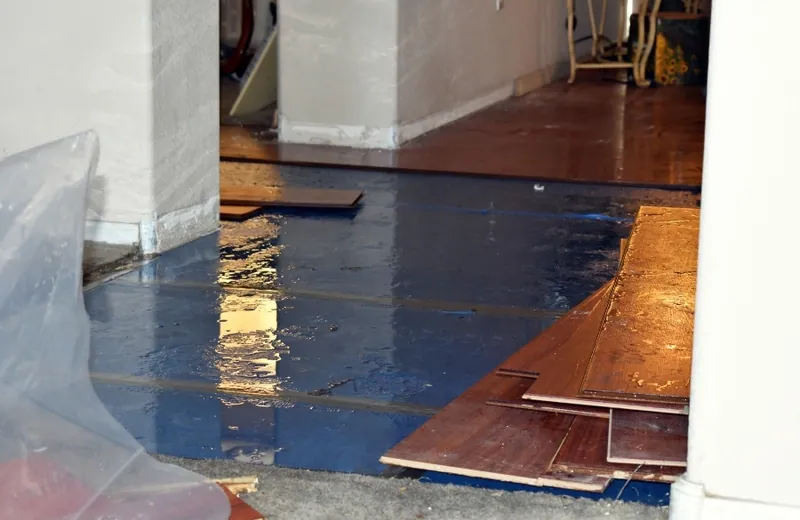
Recent water-damage-restoration Projects in Moore, OK
Water Damage Restoration FAQs for Moore, OK Homeowners
How much does water damage restoration cost in Moore?
Most jobs in Moore fall between about $1,500 and $15,000. Small clean-water losses are at the low end, and multi-room burst pipes or sewer backups are higher. Major storm or tornado-related damage can go past $40,000. The biggest factors are the water category, how far it spread under your slab flooring, how fast drying started, and the materials involved. The good news is that sudden losses like burst pipes and storm breaches are usually covered by homeowners insurance, and we bill your insurer directly. You'll get an itemized estimate after the free inspection, and financing is available for deductibles or uncovered work.
Will my insurance cover the damage, and do you bill them directly?
Yes, we bill your insurance company directly and work with your adjuster from start to finish. Coverage depends on the cause. Sudden pipe bursts, appliance failures and storm-created roof openings are usually covered under standard Oklahoma homeowners policies. Surface flooding from rain or creek overflow typically needs separate NFIP flood insurance, and sewer backup is often an add-on endorsement. Slow, long-term leaks are commonly excluded. We document the cause, moisture readings and damage carefully so your claim reflects what actually happened. By law, we can't waive or pay your deductible, and you should be wary of anyone who offers.
How quickly should I act after water damage?
Right away. Call us within the first hour if you can. In Moore's humid climate, mold can begin growing on wet drywall, carpet pad and framing within 24–48 hours, and materials that could have been dried in place start needing replacement. Waiting can also hurt your claim, since most policies require you to take reasonable steps to prevent further damage. While you wait for our crew, shut off the water main, turn off power to wet areas if it's safe, move valuables to dry ground, and take photos. We answer 24/7 and dispatch immediately.
How long does the restoration process take?
Extraction usually starts the same day we arrive. Structural drying typically takes 3–5 days, and we confirm progress with daily moisture readings. Category 3 sewer losses, dense materials like hardwood or plaster, and attic losses can take longer. Repairs afterward range from a few days for drywall and baseboards to a few weeks for flooring, cabinetry, or permitted electrical and HVAC work. After metro-wide events like spring storm outbreaks or hard freezes, material and trade schedules can stretch. Being local helps us keep jobs moving.
Do I need a permit for water damage repairs in Moore?
Drying and mitigation don't require permits. Restoration that goes further usually does, including replacing structural framing, rewiring flood-damaged circuits, or swapping a water heater or HVAC unit. In Moore, those permits go through the Community Development building inspections office, and the work must be done by Construction Industries Board-licensed trades. Pre-1978 homes in places like Del City, Midwest City and Warr Acres call for lead-safe practices, and older materials may need asbestos testing before demolition. If you're in an HOA or in Nichols Hills, exterior work and dumpsters may need approval too. We help coordinate all of it.
Can I clean up water damage myself?
For a small, clean spill caught right away, like a sink overflow onto tile, towels and fans might be enough. For anything bigger, DIY usually backfires in a slab home. Water you can't see travels under laminate, into carpet pad and up wall cavities, and household fans and shop vacs can't remove it before mold starts. Sewer backups and floodwater carry bacteria and shouldn't be handled without protective gear. Professional thermal imaging, moisture mapping and commercial dehumidifiers confirm materials are really dry, and that documentation is what insurance adjusters want to see.
How can I prevent water damage in my Moore home?
Focus on the risks that are specific to our area. Before winter, insulate attic and exterior-wall pipes, know where your main shutoff is, and drip faucets during hard freezes. Flush your AC condensate line and check the attic drain pan every spring. Replace water heaters near the end of their lifespan, especially ones in the attic. After any hail storm, get a roof inspection even if nothing's leaking yet. Keep gutters clear and grade soil away from your slab, since our red clay drains poorly. If you have polybutylene or cast-iron lines, think about replacing them, and check your storm shelter seals each spring.
How are you different from storm-chasing contractors who show up after tornadoes?
We're locally owned and have served Moore and the OKC metro for more than 10 years, so we'll be here long after storm season ends. We're bonded and insured, we back our work with a workmanship warranty, and we bill your insurer directly with clear, itemized documentation. We don't ask for big cash deposits, pressure you to sign on the spot, or promise to cover your deductible, which Oklahoma law prohibits. After every major storm, the Home Repair Fraud Act and price-gouging rules are enforced for good reason. Choose a contractor you can still reach next year.
Serving Moore, OK & Nearby
Water Damage? Get a Crew Moving Now
Every hour counts. Mold can start within 24–48 hours in Moore's humidity. Call our 24/7 line, and we'll get extraction underway fast and handle billing directly with your insurance company.
- ✓24/7 emergency response from a locally owned crew
- ✓Direct insurance billing and adjuster coordination
- ✓Free inspection with thermal imaging and moisture mapping
- ✓Fast extraction and drying to stop mold and structural damage
- ✓Bonded and insured, with warranty-covered workmanship
- ✓Clear, itemized estimates with no deductible games
- ✓Financing available for out-of-pocket costs
⚡ Water actively leaking? Shut off your main water valve, turn off power to wet areas if it's safe to do so, and call us right now. We answer day and night.
Bonded • Insured